
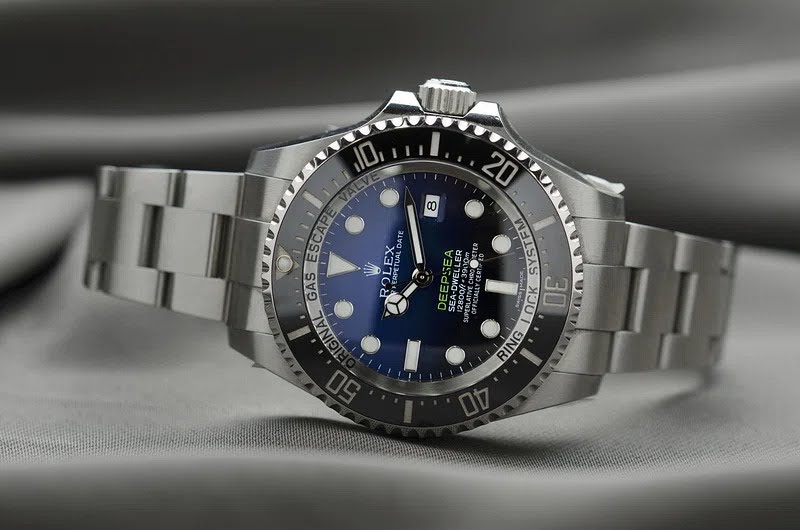
A new and aggressive trade policy has caused a stir in the luxury goods market, with Watches of Switzerland Group Plc bearing the brunt of the fallout. The company’s shares dropped by up to 6% after US President Donald Trump announced a 39% tariff on all imports from Switzerland. This exceptionally high tariff rate is a significant escalation in the ongoing trade disputes and has put the company’s US operations under intense scrutiny.
As a major retailer of brands like Rolex and other high-end watches, Watches of Switzerland is uniquely exposed to this new trade barrier. The immediate and steep drop in its share price reflects investor anxiety about the company’s ability to navigate the new economic landscape, particularly in its growing US market. The timing of the announcement meant that Swiss-based companies like Richemont and Swatch Group AG did not see an immediate impact, as their markets were closed for a holiday.
The move comes after a period of intense volatility for Swiss watch exports. An earlier threat of a 31% tariff had prompted importers to rush shipments, leading to a temporary spike in sales. This was followed by a subsequent dip as traders hoped for a more favorable outcome. The 39% rate now presents a far more challenging scenario, as it is one of the highest tariffs ever imposed, signaling a significant deterioration in trade relations.
Industry experts are forecasting dire consequences if the tariff is enacted. Jefferies analysts believe that the 39% duty could lead to price increases of more than 20% for American consumers, potentially stifling demand for high-end watches. The news, however, contains a small detail that could be significant: the tariff has a one-week grace period before implementation. This delay suggests the possibility that the tariff is a strategic tool, a way for the administration to gain the upper hand in negotiations rather than a final policy decision.