
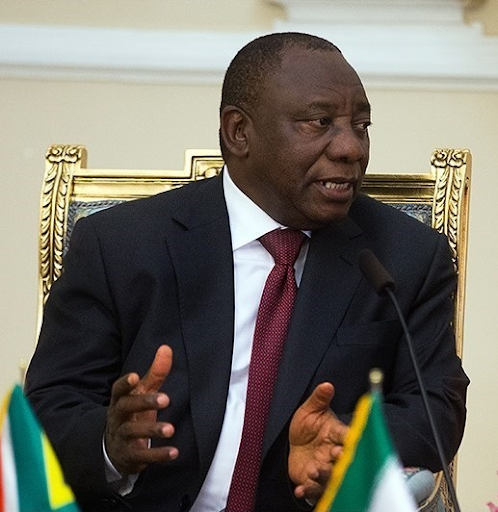
Tensions between South Africa and the United States have intensified after Washington confirmed it would boycott the G20 summit in Johannesburg. The rift widened further when South Africa rejected the US plan to send a junior embassy representative to the summit’s closing ceremony, where the G20 presidency is to be handed over to the next host, the US.
President Cyril Ramaphosa said the US had reversed its earlier decision to participate and stressed that no country should be “bullied” or pressured. The White House responded sharply, with the US press secretary accusing Ramaphosa of “running his mouth” and insisting that the US representative in attendance would only acknowledge the upcoming handover—not engage in official talks.
South Africa has reacted strongly to what many perceive as a diplomatic snub. Officials stressed that Ramaphosa would not hand over the presidency to a low-ranking diplomat. He previously said he would hand the symbolic role to an “empty chair,” though he had preferred to transfer it directly to Donald Trump. The 2026 G20 summit is scheduled to be held at Trump’s golf resort in Florida.
Analysts warn that the US boycott could damage America’s international standing. Many observers argue that Washington’s stance toward South Africa—particularly recent accusations of discrimination against white South Africans—has been misguided and counterproductive.
South Africa, the first African nation to lead the G20, has used its presidency to spotlight issues critical to developing countries, including debt burdens, access to climate financing, and inequality. A major report commissioned by Ramaphosa highlighted extreme global wealth disparity, urging the creation of an independent body to monitor inequality worldwide.
Meanwhile, widespread protests against gender-based violence have accompanied the summit, with thousands across South Africa observing moments of silence to honor the average of 15 women murdered daily in the country.