
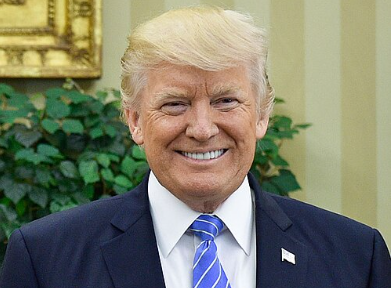
Donald Trump is launching a one-year economic experiment, announcing a temporary 10% cap on credit card interest rates. The policy, revealed on Truth Social, is set to run for 12 months starting January 20. Trump framed the initiative as a necessary break for the American people, who he claims have been “ripped off” by rates climbing as high as 30% under the previous administration.
The temporary nature of the cap suggests it may be intended as a relief measure during a time of record debt. U.S. credit card balances have hit $1.17 trillion, and the burden of interest payments is eating into household budgets. By capping rates for a year, Trump is offering a short-term reprieve that could help families pay down their principal balances.
However, the banking industry views the move as a long-term danger. Major financial associations warned that even a temporary cap disrupts the risk models used by lenders. They argued that if they are forced to lend at 10% when inflation and risk dictate higher rates, they will simply stop lending. This could lead to a sudden freeze in credit availability, shocking the economy.
Senator Elizabeth Warren questioned the effectiveness of a temporary, executive-led cap. She argued that “begging” companies to lower rates is not a strategy and that real reform requires permanent legislation passed by Congress. Warren dismissed the announcement as a “joke” and accused Trump of failing to understand the complexities of the financial system.
Conversely, the move has been hailed by Senator Josh Hawley as a “fantastic idea.” The split reaction highlights the growing divide between establishment economics and the new wave of populism. As January 20 approaches, the nation watches to see if this one-year experiment will succeed in lowering debt or if it will trigger a backlash from the markets.