
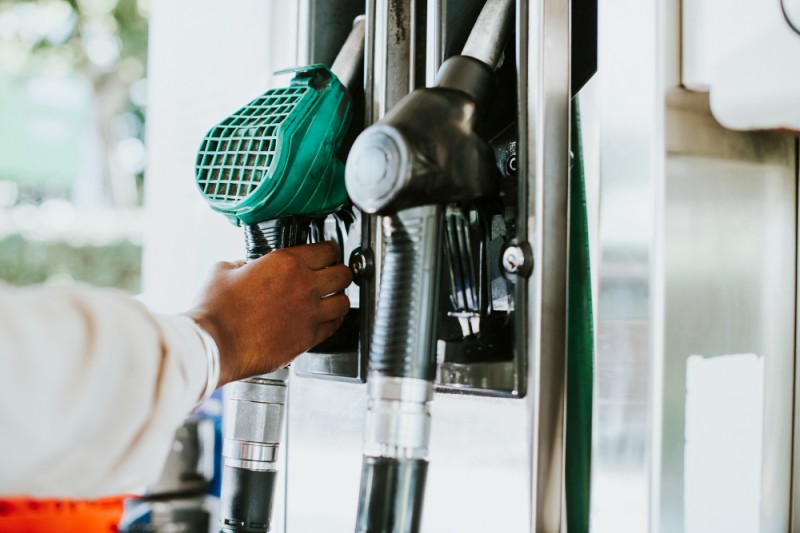
South African drivers can look forward to a significant reduction in fuel costs starting Wednesday, July 1, 2026, as announced by the Department of Petroleum and Mineral Resources (DMPR). This relief comes despite the lapse of the government’s temporary fuel levy support, thanks to a sharp decline in international oil prices and a stable rand against the US dollar.
The drop in Brent crude oil prices to about $75 per barrel by the end of June, following easing tensions between the United States and Iran, has created favorable conditions for fuel price reductions. Petrol prices saw an over-recovery of approximately R3 per litre, while diesel experienced nearly R5 per litre in recoveries. However, with the expiration of the temporary fuel levy relief programme, motorists will not enjoy the full extent of these recoveries.
Effective July 1, the reinstated fuel levy will add R1.50 per litre to petrol and R1.97 per litre to diesel. Despite these additional charges, South African fuel prices will still see a notable decrease, driven by the global drop in oil prices and favorable exchange-rate conditions. For instance, inland petrol 93 will decrease from R27.95 to R25.94 per litre, while diesel 0.05% will drop from R27.92 to R24.78 per litre.
Coastal regions will also benefit from these changes, with petrol 93 prices falling from R27.16 to R25.15 per litre and diesel 0.05% reducing from R27.05 to R23.91 per litre. Illuminating paraffin prices will also see a significant cut, offering further relief to consumers. At the time of reporting, the Brent crude was trading around $72.26 per barrel, and the rand was valued at approximately R16.46 per US dollar.
This reduction in fuel expenses is anticipated to alleviate financial pressures on households and businesses by lowering transportation costs and easing inflationary pressures. However, the stability of future fuel prices remains susceptible to geopolitical influences, particularly those impacting the Middle East and global oil supply dynamics.