
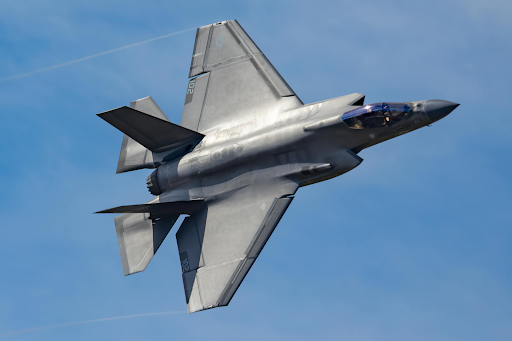
A verdict on whether the Netherlands is legally complicit in the Gaza war by shipping F-35 parts to Israel is expected soon from the country’s Supreme Court. The government is fighting to overturn a lower court’s ban, which was based on the risk of complicity in war crimes.
The lawsuit, filed by three human rights groups, has forced a national reckoning with the country’s role in the international arms trade. The groups contend that Dutch law and international treaties prohibit the transfer of military goods when there is a clear risk of their misuse.
The government’s policy was dealt a serious blow in February 2024 when an appeals court sided with the plaintiffs and ordered a halt to the exports. That court’s finding that the Netherlands risked complicity is the central issue now before the Supreme Court.
The government’s appeal seeks to reframe the issue as one of foreign policy and national sovereignty. It argues that the decision to allow the transit of U.S.-owned parts is a political one and that the courts should not interfere.
This legal debate is not happening in a vacuum. It is deeply connected to the devastating human toll of the war that began on October 7, 2023. The Dutch court’s final decision on complicity will resonate far beyond its borders, influencing legal and political debates about the responsibilities of states that support warring parties.