
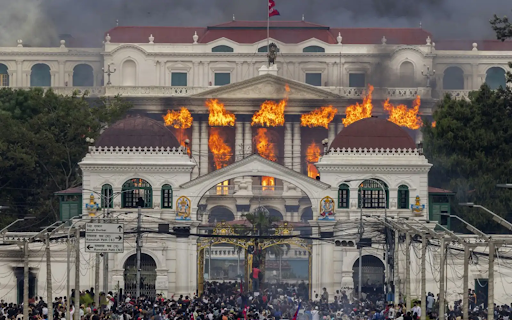
The crisis in Nepal is a textbook example of a government dangerously disconnected from its own people, particularly its youth. The decision to ban social media, and the subsequent violent crackdown, reveals a leadership that completely failed to “read the room,” misjudging the public mood and the deep-seated frustrations that were ready to boil over.
The leaders who approved the ban likely saw social media as a nuisance, a platform for frivolous content and troublesome dissent that needed to be controlled. They failed to understand its central role in the lives of young Nepalis, for whom it is an essential tool for social connection, economic activity, and political engagement. The ban was not seen as a minor inconvenience; it was seen as an existential threat to their way of life.
Furthermore, the government clearly underestimated the level of public anger regarding corruption and unemployment. They assumed that these were chronic but manageable issues. They did not realize that the viral campaign exposing the elite’s wealth had created a tipping point, making the public acutely sensitive to any further signs of government arrogance or overreach.
The deadly response to the protests was the final and most tragic failure of perception. The government saw a security threat that needed to be neutralized, not a group of its own citizens expressing legitimate grievances. This disconnect between the rulers and the ruled is at the heart of the crisis. Until that gap is bridged, any political solution is likely to be temporary at best.