
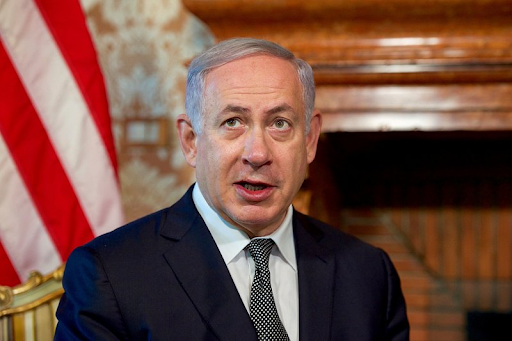
Prime Minister Benjamin Netanyahu is attempting to build a new architecture of peace on its northern border, using the foundation of its recent war with Hezbollah. On Sunday, he outlined how military success has created the building blocks for negotiations with Syria and a potential understanding with Lebanon.
A key pillar of this new architecture is a stable, post-Assad Syria. The end of the old regime has allowed for the first direct peace talks in decades. The new Syrian government is a willing partner in this construction, with one official stating that they hope to finalize security agreements by the end of 2025.
Another pillar is a sovereign Lebanon, free from the military dominance of Hezbollah. Israel continues to chip away at Hezbollah’s strength with military strikes, while the U.S. provides the diplomatic scaffolding to help the Lebanese state assert its authority. Beirut has now begun to lay its own foundation by planning the militia’s disarmament.
Netanyahu described this building process to his cabinet. “Our victories in Lebanon against Hezbollah have opened a window,” he stated, framing the war as the necessary ground-clearing for this new structure. He confirmed “some progress” in laying the groundwork with Syria.
The blueprints for this new architecture are becoming clearer. With Syria, it involves a demilitarized buffer zone. With Lebanon, it involves the national army taking full control of the south. Both Syria and Lebanon are taking tangible steps—withdrawing weapons and planning disarmament—to help build this new reality.