
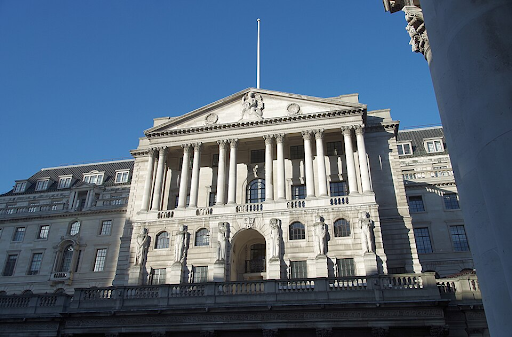
One of the key, yet under-reported, factors behind the Bank of England’s decision to cut rates to 3.75% is the government’s intervention in the energy market. The MPC revealed in its report that the Chancellor’s package of cuts to household energy bills is expected to do heavy lifting in the fight against inflation. Specifically, they project it will reduce the headline rate by about half a percentage point in the first quarter of 2026.
This projection provided the “room to manoeuvre” that the Bank needed. Knowing that energy bills—a major component of the inflation basket—are being artificially suppressed by government policy gave the majority of the committee the confidence to lower interest rates. It is a calculated coordination: fiscal policy handles the energy shock, allowing monetary policy to support growth.
Chancellor Rachel Reeves highlighted this synergy, noting that her inflation-fighting measures were designed precisely to allow for this kind of rate relief. By capping the cost of energy, the government is effectively buying lower inflation. This, in turn, allows the Bank to ease the burden on mortgage holders, creating a double benefit for households.
However, this strategy is not without risk. Energy subsidies are expensive and temporary. Once the support ends, there is a risk that inflation could bounce back if underlying energy prices haven’t fallen. The “hawks” on the committee are wary of relying on temporary government fixes to solve long-term inflation problems.
Nevertheless, for the short term, the plan is working. The combination of lower energy bills and lower interest rates is the best possible news for a consumer base battered by the cost-of-living crisis. The first quarter of 2026 will be the proving ground for this joint operation between the Treasury and the Bank.