
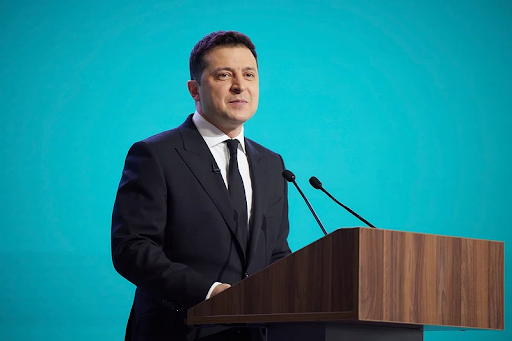
A clear consensus has emerged among European leaders rejecting any imposed peace settlement. Multiple heads of government emphasized that there must be no dictated peace in Ukraine, insisting that any agreement requires meaningful Ukrainian and European participation.
German Chancellor Friedrich Merz articulated this position forcefully during his joint appearance with Polish Prime Minister Donald Tusk. He stated there can be no decisions about Ukraine and Europe made without Ukrainians and Europeans at the negotiating table.
This European stance pushes back against potential scenarios where external mediators broker agreements without adequate input from parties most affected by the conflict’s outcome. Leaders worry that American mediation efforts might produce frameworks that inadequately reflect Ukrainian and European interests.
The rejection of dictated peace reflects lessons from historical settlements imposed without adequate input from affected populations. European officials argue that sustainable agreements require genuine buy-in from all parties rather than reluctant acceptance of terms negotiated by others.
French President Emmanuel Macron reinforced this consensus during his meeting with Volodymyr Zelenskyy. He emphasized that Europeans must participate directly in negotiating security guarantees and other crucial elements of any eventual peace framework.