
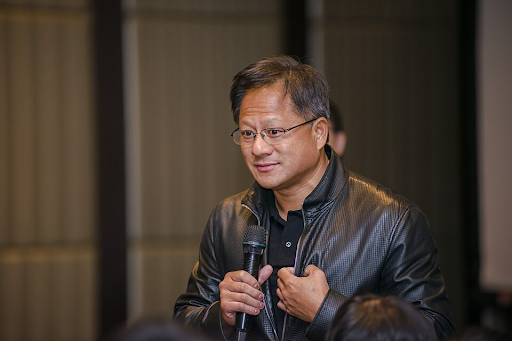
Nvidia is playing a perfect game of chess. At CES, the company executed a dual-strategy launch that reinforces its dominance in both software and hardware. CEO Jensen Huang unveiled the Alpamayo AI for cars and the Vera Rubin chips for data centers, effectively covering both ends of the technology spectrum.
This strategy creates a powerful ecosystem. The Alpamayo software, which brings “reasoning” to self-driving cars, is optimized to run on the new Rubin chips. This integration means that automakers and tech companies are incentivized to buy the whole package, locking them into Nvidia’s infrastructure.
The hardware itself is a marvel, offering five times the power of previous chips and a tenfold increase in efficiency. With the ability to link chips into massive “pods,” Nvidia is setting a performance standard that competitors like AMD and Google will struggle to match.
The partnership with Mercedes-Benz to launch the CLA in the US validates this strategy. It shows that major industries are relying on Nvidia not just for components, but for the core intelligence of their products.
By controlling the “brain” (software) and the “body” (chips) of the AI revolution, Nvidia is ensuring its long-term supremacy. The company is sending a clear message to the market: the future of technology is being built by Nvidia.