
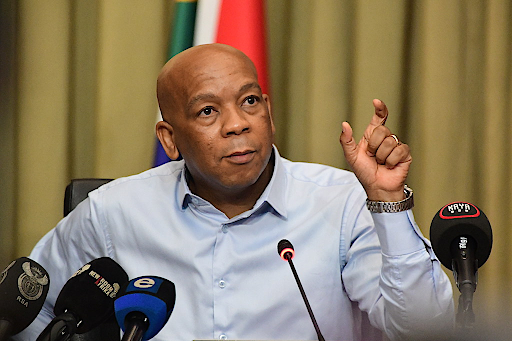
Electricity and Energy Minister Kgosientso Ramokgopa has set a target to end load reduction — a practice affecting mostly poorer communities — within the next 12 to 18 months. The minister announced the plan during a media briefing, stressing that most load reductions disproportionately impact low-income areas, creating a perception of income-based discrimination.
Load reduction, which involves cutting electricity to specific communities for about two hours during peak periods, is often implemented in areas with “bridged” meters where revenue collected does not match actual consumption. Ramokgopa said the measure undermines efforts to end load-shedding and disproportionately penalises the poor while wealthier areas avoid similar disruptions.
He pledged that, with community cooperation, the load reduction policy could be ended within 12 months. Where resistance exists, the process may take up to 18 months. “We are going to end load reduction in the next 12 months if we get that co-operation,” Ramokgopa said, adding that work would begin immediately in communities where pushback is minimal.
Load reduction typically occurs in the morning, between 5am and 7am, and/or in the evening, between 5pm–7pm or 7pm–9pm, affecting households as they prepare for work, school, or dinner. Ramokgopa affirmed that ending the practice would require engagement and cooperation from affected communities, but insisted it was a priority to eliminate this form of inequity in the energy system.