
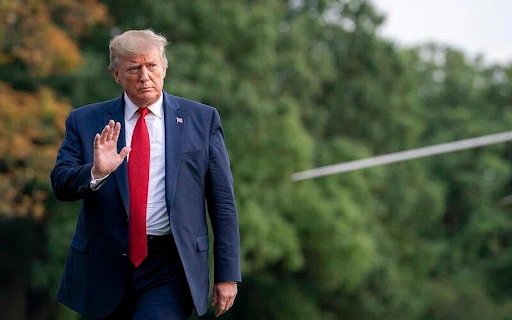
President Donald Trump has significantly escalated public pressure on Ukraine regarding peace negotiations with Russia, effectively cornering Ukrainian leadership with Thursday warnings that delays could prove costly and that Russia’s current positions may not remain available indefinitely. Speaking from the Oval Office, Trump’s direct appeal to Ukraine to “move quickly” represents an unusual degree of public presidential intervention in shaping the dynamics between two foreign parties engaged in existential conflict.
The mounting diplomatic pressure from Washington reflects Trump’s apparent frustration with the pace of negotiations and his assessment that current conditions favor diplomatic resolution more than future circumstances might. By publicly highlighting Russia’s tendency to “change their mind” during extended talks, Trump applies pressure from multiple angles: encouraging Ukrainian movement toward compromise, signaling expectations to Russia about consistent engagement, and preparing domestic audiences for potential outcomes. This multi-directional pressure represents a calculated effort to overcome obstacles that have thus far prevented agreement.
The weekend brings crucial Miami meetings between Trump’s envoys and Russian officials, adding another layer to the diplomatic pressure campaign. Steve Witkoff and Jared Kushner will engage Russian representatives with insights gained from recent intensive Berlin consultations with Ukrainian officials. The timing of Trump’s public pressure on Ukraine just before these Miami discussions suggests coordination aimed at creating conditions where American mediators can identify potential pathways to agreement.
Ukrainian President Zelensky and US officials have offered generally encouraging assessments of recent negotiating rounds, though details remain closely guarded. However, Ukraine’s fundamental position on territorial integrity has been publicly stated repeatedly: no peace settlement will involve Ukrainian recognition of Russian sovereignty over any Ukrainian territory. Ukrainian leadership has been particularly emphatic about the Donbas region, declaring it non-negotiable despite mounting pressure from Washington to consider compromises. This stance reflects both principle and political reality within Ukraine, where public opinion strongly opposes territorial concessions.
Russia’s negotiating demands center precisely on what Ukraine refuses to consider—formal territorial concessions recognizing military conquests. Moscow currently exercises control over Crimea, annexed in 2014, and substantial portions of Donetsk, Luhansk, Zaporizhzhia, and Kherson, occupied during the 2022 invasion. Russian negotiators insist not only on Ukrainian recognition of these territorial changes but also on complete Ukrainian military withdrawal from the entire Donbas region, including areas currently under Kyiv’s control. According to US officials familiar with the negotiations, Russian representatives have shown minimal willingness to compromise on these territorial requirements. Trump’s escalating public pressure on Ukraine reveals the difficult position in which American mediation efforts find themselves: attempting to corner Ukraine into accepting compromises while Russia demonstrates little flexibility on its own demands, creating a situation where increased pressure may alienate Ukraine without producing Russian concessions—a diplomatic challenge that may prove impossible to navigate successfully despite the president’s intensive efforts.