
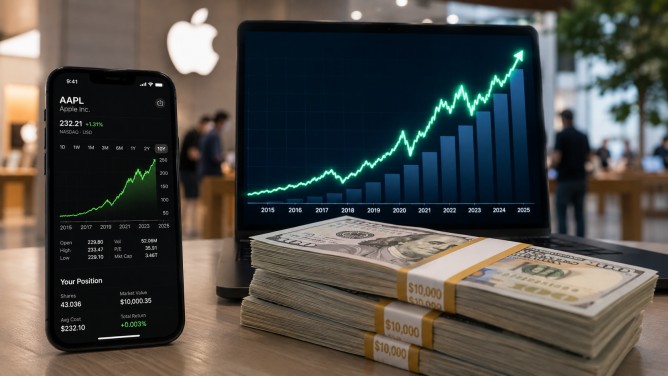
An investment of $10,000 in Apple shares back in August 2016 would have grown to approximately $126,000 today if dividends were reinvested, reflecting a remarkable increase of about 12.6 times over the period. This impressive figure underscores Apple’s robust performance in the stock market over the last decade. The majority of this growth is attributed to the increase in Apple’s share price, which, on a split-adjusted basis, surged from around $27 in 2016 to approximately $311 today. Even without reinvesting dividends, the initial investment would have swelled to about $115,000.
Apple’s earnings have mirrored its stock performance, showing substantial growth. The company’s earnings per share have climbed to approximately $8.72, a significant increase from just a quarter of that amount a decade ago. This rise in earnings per share has been further bolstered by Apple’s aggressive stock buyback initiatives, which have effectively reduced the overall number of shares. Additionally, the company’s valuation has played a crucial role in its stock’s upward trajectory. In 2016, investors valued Apple at about 13 times its earnings, a figure that has since more than doubled to roughly 36 times earnings today.
Looking ahead, replicating such stellar performance over the next decade could prove challenging for Apple. The current high valuation may limit the potential for further substantial expansion in its price-to-earnings ratio. Consequently, future returns are likely to hinge more heavily on continued growth in earnings. Factors such as advancements in artificial intelligence, the introduction of new products, and leveraging Apple’s extensive installed base could present avenues for ongoing growth.
However, as Apple has grown to its current size, maintaining the rapid pace of earnings growth will necessitate significant increases in both revenue and profits. For long-term investors, Apple’s performance over the past ten years highlights the potent combination of business growth, strategic share buybacks, and valuation expansion. Nonetheless, future returns will likely depend more on the rate at which the company can expand its profits.