
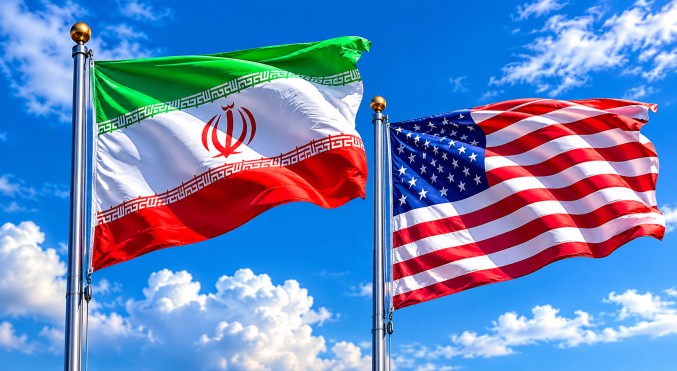
In an atmosphere of heightened tensions, Iran and the United States have reported limited progress in their ongoing negotiations. Both nations are striving to reduce regional tensions and secure a broader ceasefire amidst looming concerns over potential renewed American military strikes. Iranian officials have noted that the differences between the two sides have narrowed recently, with a focus on ending hostilities first before addressing nuclear issues. Esmail Baghaei, a spokesperson for Iran’s Foreign Ministry, emphasized this phased approach in the current diplomatic efforts.
U.S. Secretary of State Marco Rubio has also recognized advancements in the discussions, indicating that diplomatic efforts are active and suggesting that additional developments might surface soon. The U.S. government maintains its firm stance that Iran should never acquire nuclear weapons and has called for assurances regarding uranium stockpiles and the reopening of the Strait of Hormuz. Meanwhile, Iran’s parliament speaker, Mohammad Bagher Ghalibaf, cautioned that any fresh U.S. attacks would provoke a more robust response from Iran, asserting that the country has restored parts of its military capabilities following recent conflicts and a tenuous ceasefire.
Pakistan continues to play a mediating role in the dialogue between Tehran and Washington. The Pakistani army chief has conducted meetings with Iran’s senior leadership in Tehran, with officials describing these talks as constructive and aimed at setting up another round of direct negotiations. This mediation is crucial as it seeks to bridge gaps and facilitate a peaceful resolution.
The ongoing diplomatic efforts are taking place against a backdrop of growing concerns about regional stability and the global energy supply. The risk of further escalation in the Middle East remains a pressing issue, underscoring the importance of these negotiations in preventing further conflict and maintaining peace in the region.