
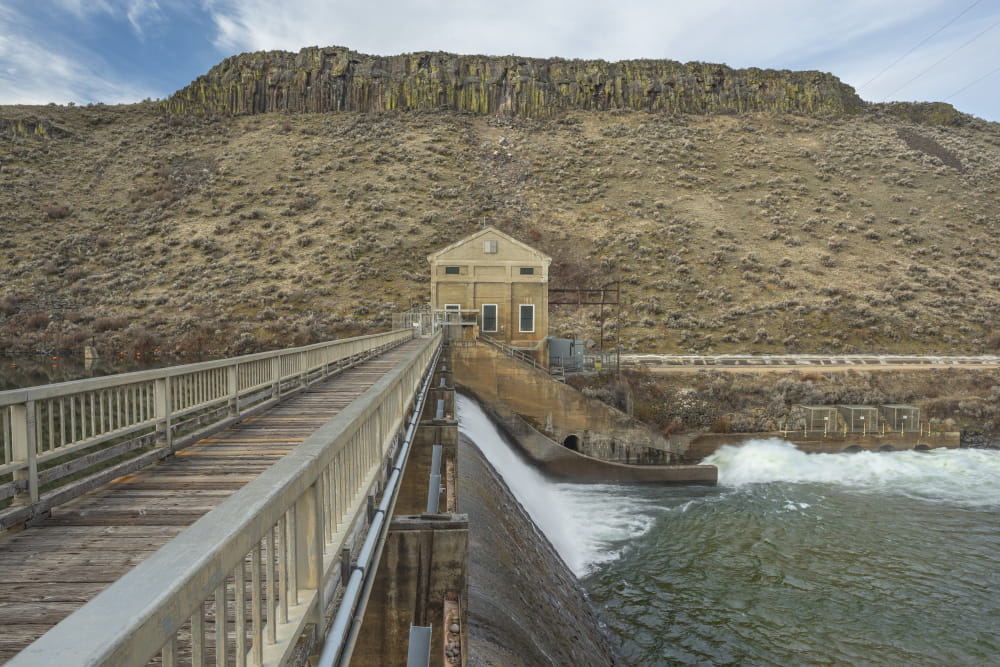
Recent cold fronts have brought about a significant shift in Cape Town’s water situation, leading to a notable rise in dam levels throughout the region. The Western Cape was hit by severe weather conditions earlier this week, which have eased previous worries about water shortages. Officials had been concerned due to the dam levels being noticeably lower than the previous year, but recent rainfall has transformed this concern into cautious optimism.
As of Wednesday, the combined water storage in Cape Town’s six major dams reached 67.8%, a substantial increase from the 48.3% recorded just a week earlier. These figures are closely monitored by both the City of Cape Town and the National Department of Water and Sanitation. This monitoring is crucial in assessing water availability and determining whether water restrictions should be imposed on residents and businesses. Maintaining adequate dam levels is vital for ensuring a stable water supply to the city, often called the Mother City.
The dams are not solely vital to Cape Town; they are also a key component of the Western Cape Water Supply System. This system is comprehensive, consisting of dams, pump stations, pipelines, and tunnels that collectively manage the region’s water resources. Beyond the city, this system provides water to towns in the Overberg, Boland, West Coast, and Swartland areas and supports agricultural irrigation needs.
With the recent increase in dam levels, the region can temporarily set aside some of its previous concerns about water scarcity. However, officials continue to keep a close watch on the situation to ensure long-term water security for both urban and agricultural demands. Although the recent heavy rains have offered much-needed relief, sustained attention to water management remains critical.