
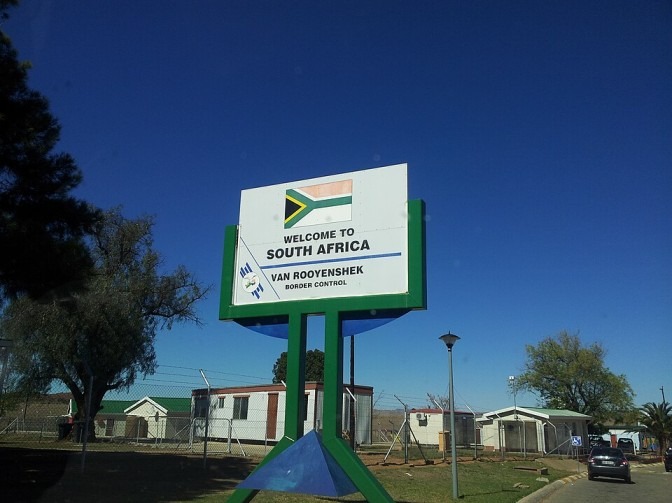
Starting June 1, 2026, South Africa will implement a new digital customs declaration system, mandating all travelers entering or exiting the country to file their declarations online. The initiative represents an effort to modernize the nation’s border management and streamline travel and trade operations. An integral part of this updated regulation is the requirement for travelers driving foreign-registered vehicles into South Africa to declare these vehicles at the border and secure a Temporary Import Permit (TIP). This stipulation encompasses vehicles from all foreign territories, including those from Southern African Customs Union (SACU) member countries.
The South African Revenue Service (SARS) has introduced the Traveller Declaration System to enhance compliance with customs laws and improve overall border security. Under the new policy, vehicles with a Temporary Import Permit can be used legally in South Africa for up to six months. This permit also offers the flexibility of multiple entries and exits within that timeframe without necessitating a new permit for each crossing.
SARS has emphasized that no fees will be charged for submitting an online customs declaration or for obtaining a Temporary Import Permit. Travelers are encouraged to complete these procedures through the SARS website or mobile app before reaching the border, after which they will receive a reference number to present upon entry or departure. For those unable to complete the declaration process beforehand, SARS will offer assistance through digital kiosks and support services at border posts.
While the move to digital declarations aims to reduce paperwork and enhance efficiency, customs inspections and border checks will still be conducted as needed. Officials assert that the new system not only strengthens border security but also enhances revenue collection and simplifies compliance for legitimate travelers.
This digital transition is part of a broader strategy by South Africa to modernize its customs administration and improve the management of the cross-border movement of people, goods, and vehicles. By embracing digital tools, South Africa seeks to create a more efficient, secure, and traveler-friendly border experience.