
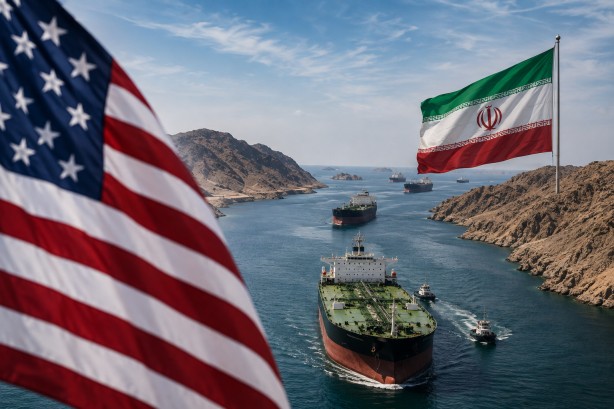
The United States is optimistic about reaching an agreement with Iran to reopen the Strait of Hormuz, a critical maritime passageway for global oil and energy shipments. U.S. Treasury Secretary Scott Bessent has indicated that negotiations with Tehran are advancing and a deal could be imminent within the next couple of days. The agreement would likely allow commercial vessels to traverse the strait without incurring tolls, thereby ensuring the freedom of navigation through this vital corridor.
Involved in facilitating these negotiations is Qatar, which has been instrumental as a mediator. The Gulf nation has confirmed that a de-escalation framework is being shared among the negotiating parties, signaling continued diplomatic efforts to resolve the tensions. The discussions come amid a backdrop of severe disruptions in the region, which have impacted the flow of shipping and contributed to fluctuating oil prices globally. The anticipation of a breakthrough has already led to a decrease in oil prices, with market analysts predicting further declines should normal shipping activities resume.
President Donald Trump has publicly expressed his commitment to the ongoing negotiations, choosing to delay any military action against Iran to give diplomacy a chance. He emphasized that any forthcoming agreement must not only ensure the reopening of the Strait of Hormuz but also address broader concerns regarding Iran’s nuclear program.
Previously, efforts to reopen the strait faced setbacks due to disagreements over shipping routes, which caused tensions to flare once more. The current talks aim to overcome these past challenges and establish a new framework that would allow for the restoration of maritime traffic and contribute to greater stability in the region.