
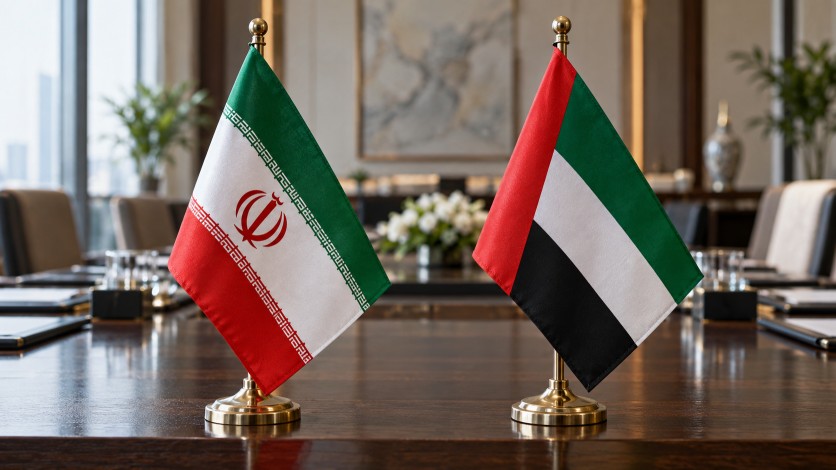
Iran has issued a warning to the United Arab Emirates (UAE) and other countries in the region about the potential “highly dangerous consequences” of Israel’s increasing presence, following Israeli Prime Minister Benjamin Netanyahu’s visit to Abu Dhabi. The Iranian Foreign Ministry condemned Netanyahu’s visit on September 27 and urged regional governments to exercise caution regarding closer ties with Israel. Tehran also called on these nations to prevent their territories from being used for activities that could destabilize the region.
The warning from Iran came shortly after a meeting between Netanyahu and UAE President Sheikh Mohamed bin Zayed Al Nahyan in Abu Dhabi. The UAE confirmed the meeting, which focused on discussions about bilateral relations and regional challenges. This development occurs amid ongoing tensions between Iran and Israel, as well as continued diplomatic and security activities in the Gulf region.
Iran’s concerns highlight the broader geopolitical tensions in the Middle East, where alliances and rivalries are often influenced by the relationships between regional powers and global players. The growing engagement between Israel and the UAE, which formally established diplomatic relations in 2020 as part of the Abraham Accords, is viewed by Tehran as a threat to its influence and security interests in the region.
The situation underscores the complexities of Middle Eastern diplomacy, where countries must navigate alliances and hostilities while addressing security, economic, and political issues. As Israel continues to enhance its diplomatic ties with several Arab nations, Iran’s warnings reflect its apprehensions about the strategic shifts occurring in the region.
As a result, regional governments are being urged by Iran to weigh the potential risks of closer relations with Israel, amid the backdrop of heightened tensions and the ever-evolving political landscape of the Middle East. The situation remains fluid, with the potential for further developments as countries in the region reassess their foreign policy strategies.