
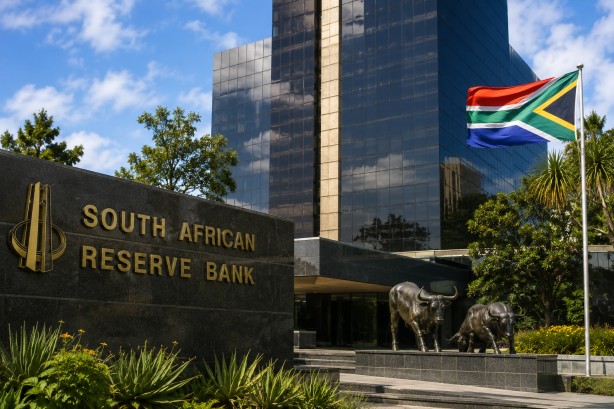
In the realm of South Africa’s economic policy, the South African Reserve Bank is prioritizing inflation control over economic growth when determining interest rates. This approach is highlighted by Annabel Bishop, Chief Economist at Investec, who notes that the central bank’s strategies are shaped by inflation forecasts spanning the next six to twelve months. The bank aims to maintain price stability with a targeted inflation rate of 3% by the year 2026.
Interest rate adjustments play a crucial role in this strategy. By raising interest rates, the Reserve Bank works to curb inflation by deterring borrowing and fostering savings. This, in turn, dampens consumer demand and bolsters the rand, South Africa’s currency, which can subsequently lower the cost of imported goods. Although these measures may strain consumers financially in the short term, they are vital for achieving long-term economic stability.
Bishop elaborates that while higher interest rates can be challenging for consumers, the outlook is set to improve post-2027. The anticipated relief stems from a predicted decline in inflation rates, which could pave the way for potential interest rate reductions in the future. This forward-looking perspective suggests that the current sacrifices are geared towards a more stable economic environment in the coming years.
As the South African Reserve Bank prepares for its upcoming decision regarding the repo rate, attention remains focused on how these policies will affect the broader economic landscape. The central bank’s commitment to controlling inflation reflects a calculated effort to stabilize the economy, even if it means enduring some short-term discomfort for consumers and businesses alike.